Christmas Cards: History, When to Send & What to Write
Christmas cards are the printed or digital greetings we mail to family, friends, neighbors and coworkers each December to share warm wishes for the holiday season. Most people send them in the two to three weeks before Christmas, choose between a classic folded card and a photo card of the family, and add a short handwritten note inside. This guide walks through where the tradition came from, when to send, what to write, how to choose between paper and an e-card, and how to make this year's card feel unmistakably yours.
The custom is younger than you might think. The first commercial Christmas card was created in London in 1843, when Sir Henry Cole asked the artist John Callcott Horsley to illustrate a single design that could be printed and mailed to many people at once. About a thousand copies were sold, and the idea spread quickly as printing got cheaper and postage got faster. By the late 1800s, sending cards was a firmly established part of the season on both sides of the Atlantic, and it has stayed with us ever since.
Photo-card-ready Christmas knits the whole family can match
1Women's Rudolph Christmas Sweater – the classic red-nosed reindeer in a cozy women's fit, an instant crowd-pleaser in front of the camera.
People worry about this every year, and it is a fair question in an age of group texts and quick emojis. The honest answer is that the paper card is not disappearing, it is changing. Many families now send fewer cards but make the ones they do send more personal, often a photo card that doubles as a keepsake for the fridge or mantel. Plenty of people also mix the two: a printed card for grandparents and close family, a digital e-card for the long-distance friend who would rather get a quick hello than wait on the mail. The tradition is less about volume now and more about the people who genuinely light up when an envelope with their name on it lands in the mailbox.
Cozy pick of the season
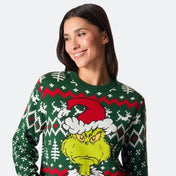
Women's Christmas Scenery Christmas Sweater
Wrap up in Women's Christmas Scenery Christmas Sweater and let the cozy holiday feelings take over.
The simple rule most stationery makers agree on is to mail your cards two to three weeks before Christmas, which in practice means getting them in the post by the first week of December. That gives the mail time to arrive without feeling early, and it lands your card while everyone is still in the thick of decorating and planning. A few tips that save stress every year:
Order or buy your cards in November so you are not scrambling in the busiest mailing weeks.
Build your address list early and keep it somewhere you can reuse it next year.
Set aside one cozy evening to write them all at once instead of a few at a time.
For cards going overseas, add an extra week or two for international delivery.
You do not need to be a poet. A warm line and a personal sentence are plenty. Start with a greeting, add one specific thought for that person, and sign off. Classic openers that always work:
"Wishing you a merry Christmas and a peaceful new year."
"May your holidays be merry, bright and full of the people you love."
"Sending you warm wishes this Christmas season."
"Have yourself a merry little Christmas, from our family to yours."
For closer family and friends, follow the greeting with something only you would write: a memory from the year, a thank-you, or a hope for the year ahead. That single personal line is what turns a card from a formality into something they keep.
Paper card or e-card?
Both have their place, and the best choice depends on who is receiving it. A printed card is the right call for grandparents, close family, and anyone who treasures the physical keepsake, and it is the only option that ends up on a mantel or a fridge door. An e-card is quick, free, and easy to send to a large group or a friend abroad, and it arrives instantly when you have left things late. Many households happily do both, saving the printed cards for the inner circle and sending digital greetings to everyone else.
Make it a photo card the family will keep
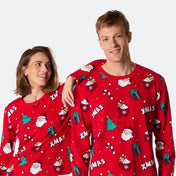
If you only send one kind of card, make it the photo card. Nothing lands quite like a picture of the whole family looking festive and happy, and the easiest way to pull that off is to put everyone in coordinating Christmas knits before the camera comes out. Matching sweaters do the styling for you, so the photo looks intentional instead of chaotic, and the same outfits carry you straight from the photo shoot into Christmas morning. Our Christmas sweaters collection has matching designs across men's and kids' sizes, so the whole family can match for one unforgettable card.
Tying the card into the rest of the season
A great card is one small part of a warm holiday. The same matching theme that makes the photo work can run right through the season, from the cards on the mantel to the cozy morning unwrapping presents. If you love the coordinated look, a set of family pajamas keeps everyone in the spirit on Christmas Eve and into Christmas morning.
However you send your greetings this year, whether it is a stack of printed cards, a quick e-card, or a photo of the family in matching knits, the point is the same as it was back in 1843: a small, warm reminder that you were thinking of someone. That is what makes a Christmas card worth sending.
Did you know?
The first commercial Christmas card was created in London in 1843, designed by John Callcott Horsley for Sir Henry Cole.
About a thousand copies of that very first card were printed and sold.
Stationery makers recommend mailing cards two to three weeks before Christmas, so order by November.
The most popular card size in the US is 5" x 7".
Square cards require extra postage when mailed through the US Postal Service.
Frequently asked questions about Christmas Cards: History, When to Send & What to Write
Mail your Christmas cards two to three weeks before Christmas, which usually means getting them in the post by the first week of December. Order or buy them in November so you are not rushing, and add an extra week or two for cards going overseas.
Keep it warm and simple. Classic lines include 'Wishing you a merry Christmas and a peaceful new year' or 'May your holidays be merry, bright and full of the people you love.' For close family and friends, add one personal sentence, like a memory from the year or a thank-you, to make it feel like it could only be from you.
No, the tradition is changing rather than disappearing. Many families now send fewer cards but make them more personal, often a photo card kept as a keepsake, while sending quick e-cards to long-distance friends. The paper card still has a special place for grandparents and close family.
Free e-cards are easy to send by email or through social media, and they arrive instantly, which is handy when you have left things late or are reaching a large group. Many people send printed cards to their inner circle and free digital greetings to everyone else.
Matte gives a slightly more finished, professional look and suits detailed or black-and-white photos, while glossy looks more vibrant and rustic and works well for bright, colorful photos. For a family photo card, either works, so pick the finish that matches your photo's style.