Scary Stories to Tell in the Dark (by Age + How to Tell Them)
The best scary stories are short, simple, and saved for the dark, when a single flashlight and a low voice can turn a normal evening into the highlight of Halloween. Whether you are gathered around a campfire, huddled in a blanket fort at a sleepover, or just trying to give your trick-or-treaters one last shiver before bed, the right tale lands harder than any decoration. Below you will find stories sorted by age and intensity, a few timeless ones to tell in the dark, and a simple guide to telling them so well that nobody wants to walk home alone.
A good scary story is not about gore, it is about the gap between what you know and what you imagine. Keep it short, keep the details ordinary, and let the listener's own mind fill in the worst part. The classics that have been passed around campfires for generations, the ones collected in books like Scary Stories to Tell in the Dark, almost always follow the same shape: a familiar setting, one small thing that feels off, and a final line that flips everything you thought was safe. Master that rhythm and you can scare a room with three sentences.
Cozy costumes for a scary-story night
1Kids' Skeleton Onesie - the obvious pick for a story circle, warm enough for a long night of tales.
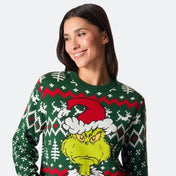
2Women's Monster Onesie - soft, hooded, and just the right amount of creepy-cute for the storyteller in charge.
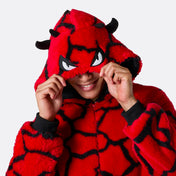
3Men's Devil Onesie - because every campfire needs one grown-up willing to deliver the final line straight-faced.
Short scary stories for kids (gentle, ages 6 to 10)
For younger listeners, the goal is a fun jump, not a sleepless night. These keep the spook light and the ending a little silly so everyone can laugh it off.
Knock, knock. A girl home alone hears three slow knocks on the front door. She looks through the window and sees no one. The knocking starts again, but this time it is coming from inside the house. (Then reveal it was her cat batting a toy down the stairs, if your crowd is little.)
The extra step. Every night a boy counts the thirteen steps up to his room. One night, in the dark, he counts fourteen.
Monsters under the bed. A dad checks under the bed to calm his son, and finds his son already hiding there, who whispers, "Daddy, there is someone in my bed."
That last one is a beloved campfire classic for a reason. It is short, it is clean, and it works every single time.
Creep it cute
Men's Brown Teddy Bear Onesie
Whether you're handing out candy or hunting for it, Men's Brown Teddy Bear Onesie brings the spooky fun.
Scary stories to tell in the dark (ages 11 and up)
Older kids and teens want the real chill. These are the slow-burn tales built for a sleepover, told one after another with the lights off and a flashlight pointed up at your chin.
The cabin. A lost hiker shelters overnight in an abandoned cabin, unsettled by the dozens of painted portraits staring down at him from the walls. He finally falls asleep. In the morning he wakes to find there were never any paintings. They were windows.
The red wristband. In a hospital where the dead are tagged with red bands, a doctor refuses to let a red-tagged man onto the elevator. The woman already inside asks why. He explains. She slowly lifts her own wrist and smiles. "Like this one?"
The babysitter and the calls. A babysitter keeps getting calls from a stranger asking if she has checked on the children. She finally phones the police, who trace the call. It is coming from inside the house.
Telling scary stories at a Halloween sleepover
The story is only half of it. The setting is the rest. Dim the lights, put one flashlight in the middle, and have everyone get cozy first, because a good scare is a hundred times better when you are warm and comfortable right up until the last line. This is where a soft Halloween onesie earns its keep: matching outfits turn a regular sleepover into an event, and there is something perfectly spooky about a circle of little skeletons and devils swapping ghost stories by flashlight.
How to tell a scary story so it actually lands
You do not need to be a great actor. You need pacing. Here is the whole craft in five moves.
Start calm and ordinary. Describe a normal night, a normal house, a normal walk home. The more boring the setup, the harder the turn hits.
Slow down as it gets worse. Drop your voice and stretch the silences. Listeners lean in to fill the quiet, and that is exactly where their imagination does your work for you.
Hide the scariest detail in plain sight. The best endings reframe something you already said, like the paintings that were windows, so the fear arrives after the sentence is over.
End on the last word, then stop. Resist explaining. The story should land like a door closing. Let the silence sit.
Know your room. For little ones, add a wink so everyone can laugh. For teens, hold the silence and let it ride.
Most of these tales are modern urban legends, the kind of story always said to have happened to "a friend of a friend." That folklore quality, traced and catalogued by folklorists as classic urban legends, is exactly why they keep working: they feel like they could be true.
True scary stories and where to find more
"True" scary stories, the camping-gone-wrong and home-alone kind, are some of the most searched of all, because a real-feeling story unsettles you long after the fun ones fade. You will find endless reader-submitted ones online, but the best collection is still the one you build yourself: keep a short list of three or four tales you can tell perfectly, by heart, in the dark. That is all you ever need to be the person everyone asks for "just one more."
Ready to set the scene? A matching kids' Halloween costume turns the whole story circle into the night they will remember, long after the candy is gone.
Did you know?
The classic collection Scary Stories to Tell in the Dark was first published in 1981 and spawned two sequels.
Many famous campfire tales are urban legends, stories always said to have happened to a friend of a friend.
The strongest scary stories are often only three or four sentences long, ending on a single twist line.
A flashlight held under the chin is the oldest trick for setting the mood at a sleepover or campfire.
'True' and 'real' scary stories are among the most searched, because a real-feeling tale unsettles you longest.
Frequently asked questions about Scary Stories to Tell in the Dark (by Age + How to Tell Them)
A classic that always works is the monster under the bed: a dad checks under the bed to calm his son and finds his real son already hiding there, who whispers that there is someone in his bed. It is short, clean, and the twist lands in the final line, which is exactly what makes a scary story work.
For younger kids, keep the spook light and the ending a little silly so everyone can laugh it off. Tales like the slow knocking that turns out to be coming from inside the house, or counting an extra step in the dark, give a fun jump without a sleepless night. Add a wink at the end for ages 6 to 10.
Start calm and ordinary, then slow down and lower your voice as it gets worse so listeners lean in and imagine the worst themselves. Hide the scariest detail in plain sight so the ending reframes something you already said, then stop on the last word without explaining. Pacing matters more than acting.
It is the gap between what you know and what you imagine. Keep the story short, keep the details ordinary, and let the listener's own mind fill in the worst part. The best tales follow one shape: a familiar setting, one small thing that feels off, and a final line that flips everything you thought was safe.
Most campfire scary stories are modern urban legends, the kind always said to have happened to a friend of a friend. They are folklore rather than fact, and that real-feeling quality is exactly why they keep working. True-style stories about camping or being home alone are popular for the same reason.