Christmas in Spain: Traditions, Dates & Food Guide
Christmas in Spain is one of the longest and liveliest holiday seasons in Europe, stretching from December 8 all the way to January 6. Spanish families gather for a late-night feast on Nochebuena (Christmas Eve), glue themselves to the El Gordo lottery draw, swallow twelve grapes at midnight on New Year's, and wait for the Three Kings rather than Santa to deliver the big presents. It is warm, noisy, food-filled and centered entirely on family, and once you understand the timeline it makes wonderful sense.
The Spanish Christmas season, called las Navidades, runs much longer than the American one. It opens on December 8 with the Feast of the Immaculate Conception (la Inmaculada), a national holiday when many families put up the tree and the nativity scene. The real festivities kick off on December 22 with the Christmas lottery, build through Nochebuena and New Year's, and only finish on January 6 with the Three Kings. That is nearly a full month of celebration, which is exactly why so many visitors say Spanish Christmas "feels so long."
If there is one night that matters most, it is Nochebuena on December 24. The name means "the good night," and it is the most important family gathering of the entire year. Several generations sit down together for a long, unhurried dinner that can run for hours. The table leans heavily on seafood and shellfish such as prawns and lobster, roast lamb (cordero), pavo (turkey), and thinly sliced jamón ibérico to start. Plenty of families round off the night by heading to la Misa del Gallo, the "Rooster's Mass" at midnight.
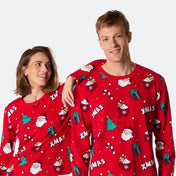
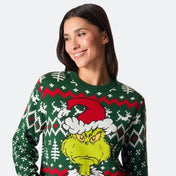
If your own family loves a coordinated holiday look, a set of matching family Christmas sweaters is an easy way to make the gift-opening photos feel extra special.
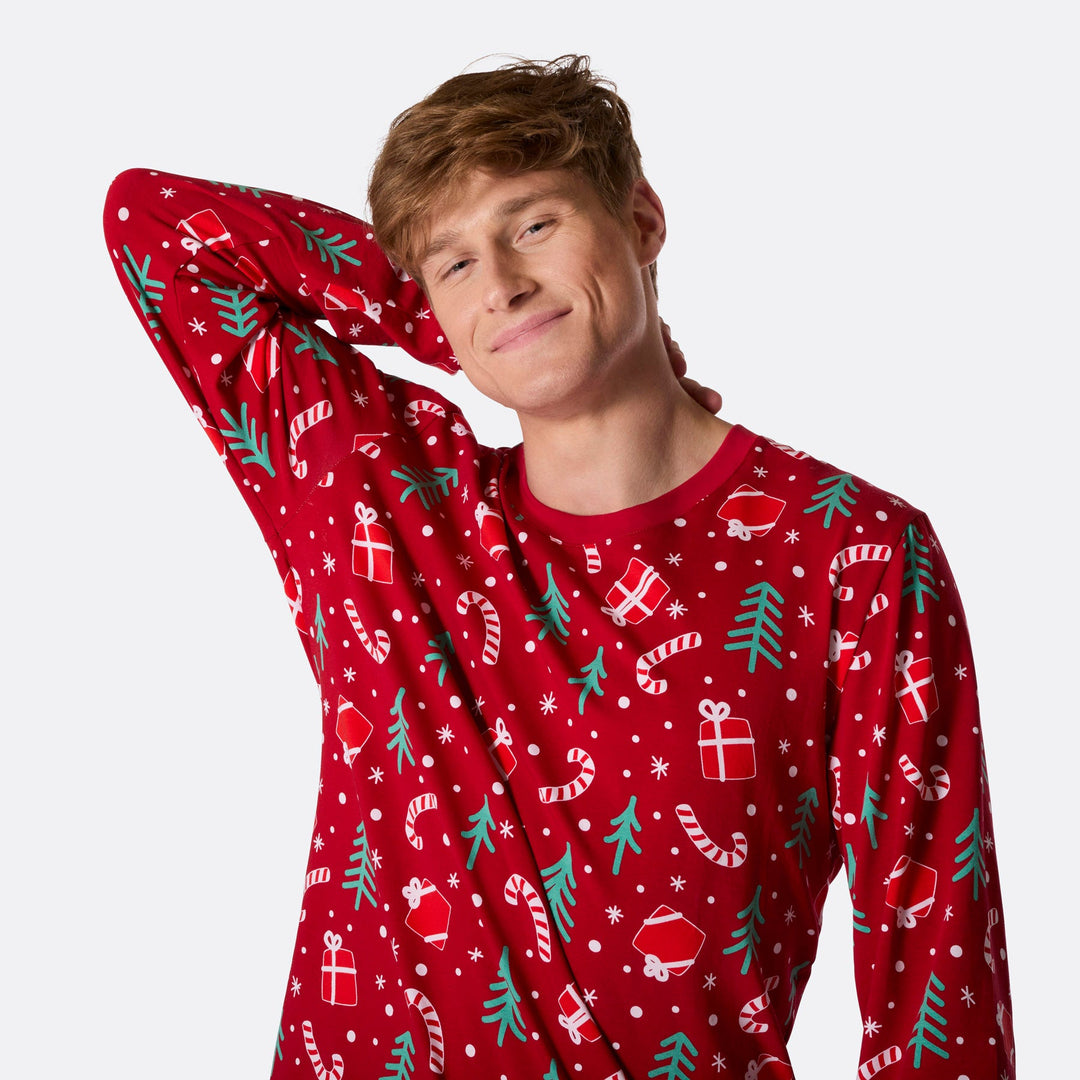
Because the evening is so long and cosy, comfort matters. Many families now pull on matching sweaters or soft pajamas for the night in, which is a tradition we love at SillySanta. A coordinated look turns the photos into something you keep, and it keeps everyone warm through hours at the table.
The villancicos, the belén and the Tió de Nadal
Spanish homes fill with villancicos, the traditional Christmas carols, often sung by children and accompanied by a tambourine (pandereta) and a friction drum called a zambomba. Many of the best-loved carols, like "Los peces en el río" and "Campana sobre campana," carry a touch of Andalusian flamenco rhythm.
Almost every household displays a belén, an elaborate nativity scene that goes far beyond a simple manger. It can include shepherds, animals, the angel, the star of Bethlehem and the Three Kings, and entire villages build huge public ones in their main squares.
In Catalonia there is a quirkier favorite: the Tió de Nadal, a hollow log with a painted smiling face and little wooden legs. From December 8 children "feed" the log every night and keep it warm under a blanket. Then on Christmas Day they hit it with a stick while singing a song, and the log "produces" small gifts and sweets hidden underneath. It is one of the most charming and unusual Christmas customs anywhere in Europe.
El Gordo: the world's biggest Christmas lottery
For Spaniards, Christmas truly begins on December 22 with the draw of the Lotería de Navidad. The top prize is nicknamed El Gordo, literally "the fat one." The whole country tunes in by television and radio as schoolchildren from San Ildefonso sing out the winning numbers in a centuries-old chant. What makes El Gordo special is not just the size of the jackpot but how widely it is spread: thousands of smaller prizes are won across the country, and people buy shares of a single ticket (a décimo) so whole offices, bars and villages can win together. A second big draw, El Niño, follows on January 6.
New Year's Eve, or Nochevieja ("the old night"), brings Spain's most distinctive ritual. As the clock at the Puerta del Sol in Madrid strikes midnight, everyone eats twelve grapes, one for each chime and each month of the coming year. Manage all twelve in time and you are said to be guaranteed twelve months of good luck. They are called las uvas de la suerte, the lucky grapes. Crowds pack the Puerta del Sol, Spain's answer to Times Square, while millions more do it at home with a glass of cava close at hand.
Three Kings Day: the real gift day
The single most anticipated moment for Spanish children is not December 25 but January 6, el Día de los Reyes, Three Kings Day. While Santa Claus, known as Papá Noel, is gaining ground, the main presents traditionally come from the Three Wise Men, los Reyes Magos: Melchior, Gaspar and Balthazar.
On the evening of January 5, towns across Spain hold the Cabalgata de Reyes, a dazzling parade in which the Kings ride floats and toss candy to the crowds. Before bed, children write letters to the Kings, leave their shoes out for the gifts, and even set out water for the camels. On the morning of January 6, families share a roscón de Reyes, a ring-shaped cake decorated with candied fruit. Hidden inside are two surprises: find the little figurine and you are crowned king or queen of the day, but find the dried bean (haba) and you have to pay for the cake.
What to eat: turrón, polvorones and cava
No Spanish Christmas is complete without its sweets. Turrón, a nougat made of toasted almonds and honey, is the undisputed star of the dessert table, and Spain is the world's biggest consumer of it. Alongside it you will find polvorones and mantecados (crumbly shortbreads), marzipan, and dishes of nuts, dates and mandarins. To toast the season, families pour cava, the sparkling wine produced mostly in Catalonia, with millions of bottles opened the moment the new year arrives.
A few more customs worth knowing
Spanish Christmas has some delightful extras that surprise first-time visitors. On December 28, the Día de los Santos Inocentes works like April Fools' Day, with friends and media playing harmless pranks on one another. On December 24, the King of Spain delivers a televised Christmas Eve message watched across the nation. And many companies still give employees a cesta de Navidad, a hamper of food and treats, a tradition that traces all the way back to Roman times.
However your household celebrates, the spirit of a Spanish Christmas, long, warm and built around the people you love, is easy to borrow. Settle in with cosy Christmas pajamas for the family, line up some villancicos, and let the season stretch out the way it does in Spain. For a deeper dive into the country's customs, the overview of Christmas in Spain on Wikipedia is a great place to keep reading.
Did you know?
Christmas in Spain lasts nearly a month, from December 8 to January 6.
The El Gordo Christmas lottery has been drawn since 1812.
Spaniards eat exactly twelve grapes at midnight, one for each chime of the clock.
The main gifts arrive on January 6 from the Three Kings, not from Santa.
Spain is the world's largest consumer of turron, the almond-and-honey nougat.
Frequently asked questions about Christmas in Spain: Traditions, Dates & Food Guide
Spanish families gather on December 24 for Nochebuena, a long late-night dinner of seafood, lamb and jamon, often followed by Midnight Mass. The season also includes the El Gordo lottery on December 22, twelve grapes at midnight on New Year's Eve, and gifts from the Three Kings on January 6.
Santa Claus is known in Spain as Papa Noel. While he is growing in popularity, the main Christmas gifts traditionally come not from him but from the Three Kings, los Reyes Magos, on January 6.
December 22 is the draw of the Loteria de Navidad, Spain's Christmas lottery. The grand prize is nicknamed El Gordo, and the whole country tunes in as schoolchildren sing out the winning numbers. For most Spaniards it marks the real start of the holidays.
The Spanish Christmas season ends on January 6 with el Dia de los Reyes, Three Kings Day. This is the main gift day for children and is celebrated with a parade on January 5 and a ring-shaped roscon de Reyes cake.
Spaniards eat twelve grapes at midnight on New Year's Eve for good luck, children in Catalonia hit a smiling log called the Tio de Nadal to make it produce gifts, and December 28 is a day of pranks much like April Fools' Day.