Day of the Dead, known in Spanish as Día de los Muertos, is a joyful Mexican holiday celebrated on November 1 and 2 when families welcome the spirits of loved ones back home for a night of food, flowers, music and remembrance. It is not a day of mourning. It is a warm, colorful reunion between the living and the dead, built around home altars called ofrendas, marigold flowers, sugar skulls and the famous smiling skeleton known as La Catrina. If you have ever wondered what the painted faces and bright calaveras actually mean, here is the full story, plus how to put together a respectful Catrina or sugar-skull look of your own.
Day of the Dead is a two-day celebration that honors family members who have passed away. Rather than treating death as something frightening, the holiday treats it as a natural part of life and an excuse to celebrate the people we have lost. Families clean and decorate graves, cook the favorite dishes of the departed and share stories late into the night. The whole spirit of the day is captured by the smiling skull: a friendly, even cheeky, nod to death rather than a fear of it.
The holiday is celebrated mostly in Mexico and in communities with strong Mexican roots, and in 2008 it was added by UNESCO to its Representative List of the Intangible Cultural Heritage of Humanity. For many people outside Mexico, the first real introduction came through the Disney and Pixar film Coco, which brought ofrendas and marigold petals to a worldwide audience.
Día de los Muertos grew from two roots that met in Mexico. The first is Indigenous Mesoamerican tradition, including Aztec rituals that honored the dead and paid homage to Mictlancíhuatl, the lady of the underworld who watched over departed souls. The second is the Catholic calendar the Spanish brought in the early 1500s, with All Saints' Day and All Souls' Day falling on November 1 and 2. Over the centuries the two blended into the holiday we know today, which is why it remembers ancestors while also lining up with the Christian Allhallowtide season.
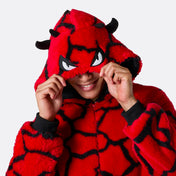
Calavera-inspired
Kids' Skeleton Halloween Onesie
A soft, head-to-toe skeleton onesie that nods to the calaveras of Day of the Dead. Layer it with sugar-skull face paint and a marigold or two for a playful, family-friendly Catrina look that is comfy enough to wear all night.
The celebration is split across the calendar. At midnight on November 1, Día de los Angelitos (Day of the Little Angels) welcomes back the spirits of children who have died, and their ofrendas are filled with toys, candy and small treats. The following day shifts to honor adults, with offerings of pan de muerto, coffee and the grown-up foods and drinks they loved in life. The grand public finale is the street celebration, with painted Catrina faces, parades and families gathering at cemeteries to decorate graves with marigolds and gifts.
Whether you are leaning into a Catrina look or simply love the season, our full range of Halloween costumes has the skeletons, characters and classics to build your outfit around.
Ofrendas, marigolds and sugar skulls
The heart of the holiday is the ofrenda, the home altar that families build to welcome their dead. A typical ofrenda holds photographs of the departed, candles to light the way, their favorite foods and drinks, and personal objects that mattered to them, from a beloved book to a musical instrument. Three symbols appear again and again:
Marigolds (cempasúchil). The bright orange flower, also called flor de muerto, is believed to guide spirits home with its vivid color and strong scent. Petals are often scattered in a path from the door to the altar.
Sugar skulls (calaveras). These decorated skulls, traditionally made from sugar or clay, are placed on ofrendas and often carry the name of the person being honored written across the forehead.
Pan de muerto. A soft, slightly sweet "bread of the dead" shared among family and friends and left as an offering on the altar.
Who is La Catrina?
The elegant skeleton in a feathered hat that you see everywhere during Día de los Muertos is La Calavera Catrina, created by the Mexican lithographer José Guadalupe Posada in the early 1900s. Catrina began as gentle social satire and grew into the most recognizable face of the holiday. Her tall hat and finely dressed skeleton are the inspiration behind the painted calavera makeup that people wear during parades and gatherings. If you want to take part respectfully, a Catrina or sugar-skull look is the most fitting choice, paired with a costume that leans elegant and celebratory rather than gory.
For the grown-ups, the same calavera idea scales up easily. A classic skeleton outfit is the simplest base for sugar-skull makeup, and you will find plenty of head-to-toe options across our cozy onesies if you want comfort that lasts through a long evening of parades and parties.
Day of the Dead vs Halloween: what is the difference?
It is a common mix-up, but Day of the Dead is not the "Mexican Halloween." The two fall close together on the calendar and both have roots in old beliefs about the afterlife, yet they feel very different today. Halloween grew from the Celtic festival of Samhain, with costumes and bonfires meant to ward off spirits, and is now mostly about scares, trick-or-treating and spooky decor. Día de los Muertos does the opposite: it invites the spirits in, swaps fear for celebration, and centers on family, memory and bright color rather than fright. One more myth to clear up: it has nothing to do with Cinco de Mayo, which marks a 19th-century battle and lands in May.
A few quick things to know
If you are joining in for the first time, the holiday rewards a little care. Bright, celebratory clothing fits the mood far better than anything somber. Calavera face paint is welcome when worn with respect for what it represents, and the simplest way to honor the spirit of the day is to remember someone you have lost, set out a photo, a candle and a favorite food, and tell their story. That, far more than any costume, is what Day of the Dead is really about.
Did you know?
Día de los Muertos is celebrated on November 1 and 2 each year.
UNESCO added the tradition to its Intangible Cultural Heritage list in 2008.
Marigolds (cempasúchil) are believed to guide spirits home with their color and scent.
La Catrina was created by lithographer José Guadalupe Posada in the early 1900s.
The holiday blends Indigenous Aztec rituals with the Spanish Catholic All Souls' Day.
Frequently asked questions about Day of the Dead: Meaning, History & Catrina Looks
In Spanish it is called Día de los Muertos. It is a two-day holiday on November 1 and 2 when families honor relatives who have died with ofrendas, marigolds and sugar skulls.
No. Halloween grew from the Celtic festival of Samhain and is about scares and trick-or-treating, while Día de los Muertos is a joyful celebration that welcomes the spirits of loved ones home with food, flowers and color.
No. Cinco de Mayo marks a 19th-century battle and falls on May 5, while Day of the Dead is held on November 1 and 2 to honor the deceased. They are completely separate holidays.
Bright, celebratory colors fit the holiday, especially the vivid orange of marigold flowers. Many people also wear calavera (sugar-skull) face paint inspired by La Catrina rather than somber, dark clothing.
La Calavera Catrina is the elegant skeleton in a feathered hat created by Mexican lithographer José Guadalupe Posada in the early 1900s. She became the most recognizable symbol of Day of the Dead and the inspiration for sugar-skull makeup.