The meaning of Christmas is, at its heart, the celebration of the birth of Jesus Christ, paired with a wider, very human spirit of giving, family togetherness, kindness, and light in the dark of winter. The word itself says it plainly: Christmas comes from the Old English Cristes maesse, meaning "Christ's Mass," the church service held to honor his birth. Over the centuries that religious heart grew a second life as a season of generosity and warmth that people of every background now share. So when someone asks what Christmas means, the honest answer is both things at once: a sacred story and a season of love.
For Christians, Christmas marks the moment God entered the world as a baby, born to Mary in a humble stable in Bethlehem and laid in a manger because there was no room at the inn. The two Gospel accounts, in Matthew and Luke, tell of the angel Gabriel visiting Mary, the shepherds in the fields, and the wise men following a star. One of the names given to the child is Emmanuel, which means "God with us," and that is really the message believers hold onto: that no one has to face the dark alone.
4Kids' Rudolph Sweater a playful pick that makes the little ones feel part of the family tradition.
This is why the season is filled with so much hope and joy. The birth is understood as the start of a story of love that runs all the way to Easter. If you want the fuller history of how the holiday took shape, including why we landed on December 25, our companion guide on why we celebrate Christmas walks through the dates and traditions in detail.
What does Christmas mean today?
Somewhere in the early 20th century, Christmas became something more than a strictly religious feast. Today it is celebrated by Christians and non-Christians alike, often with no church involved at all, and that is not a betrayal of its meaning so much as an extension of it. The themes that the holiday has always carried, hope, peace, generosity, and goodwill, turned out to speak to almost everyone. When people talk about the "true meaning of Christmas," they usually mean giving, service, love, and time spent with the people who matter.
Snuggle-season staple
Men's Christmas Scenery Christmas Sweater
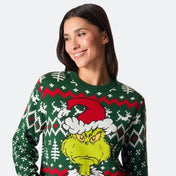
From the tree-trimming to the family photo, Men's Christmas Scenery Christmas Sweater turns up the holiday charm.
That is the version of Christmas that lives in living rooms across America: stockings by the fire, a tree covered in lights, gifts chosen with care, and a long, slow day at home in something cosy. None of it competes with the deeper story. The gifts under the tree echo the gifts the wise men brought, and the warmth around the table echoes the welcome the world finally gave to that baby in Bethlehem.
Light in the darkest part of the year
There is a reason Christmas falls when it does. December 25 sits right beside the winter solstice, the shortest, darkest day of the year, and ancient festivals like the Roman Saturnalia already marked this turning point with feasting and gift-giving long before the church chose the date. From this night forward the days slowly grow longer again, which is why so much Christmas imagery is about light returning: candles in windows, strings of lights down the street, a single star on top of the tree. Whether you read that light as the birth of Christ or simply as hope outlasting the longest night, the feeling is the same.
One of the easiest ways to turn a normal evening into a memory is to gather everyone in matching family Christmas sweaters and let the night feel a little bit special.
That is also why Christmas matters so much to people who are struggling. A hard year does not cancel the meaning of Christmas, it is often when the season means the most. The promise underneath all the wrapping paper is a quiet one: it will get better, you are not alone, and the light always comes back.
The meaning kids can hold onto
Children feel the magic of Christmas before they can explain it, and that is a good place to start. You do not need to choose between the nativity story and the secular fun, because they teach the same thing in two languages: be kind, give freely, and make room for others. A simple way to pass it on is to make giving as exciting as getting, whether that is choosing a gift for a sibling, baking for a neighbor, or popping a few coins in a collection kettle. The lesson sticks far better when the whole family is in it together, ideally in matching pajamas.
Keeping the meaning at the center
You do not have to choose one meaning of Christmas over the other. The birth of Jesus, the spirit of giving, family gathered close, and the light returning to the world are all part of the same season, and they hold together beautifully. The traditions, the food, and yes, the cosy clothes, are just ways of saying the thing out loud: that love is worth celebrating, especially in the dark.
However you celebrate this year, from a candlelit church service to a pile of presents and a slow morning in Christmas pajamas, the heart of it is the same. Christmas means hope, generosity, and togetherness, the light that shines in the darkness and the people you choose to share it with.
Did you know?
Christmas comes from the Old English Cristes maesse, meaning Christ's Mass.
December 25 sits right beside the winter solstice, the shortest, darkest day of the year.
Emmanuel, a name for the Christ child, means God with us.
The church in Rome began celebrating Christmas on December 25 around the year 336.
The four candles of the Advent wreath are often said to stand for hope, peace, joy, and love.
Frequently asked questions about The Meaning of Christmas: What It's Really About
At its heart, Christmas celebrates the birth of Jesus Christ. Over time it also became a wider season of giving, family togetherness, kindness, and light in the dark of winter, which is why people of all backgrounds celebrate it today.
The word Christmas comes from the Old English Cristes maesse, meaning Christ's Mass, the church service honoring the birth of Jesus. The fuller meaning blends that religious origin with the modern spirit of generosity, hope, and time spent with loved ones.
The main message of Christmas is hope and goodwill: that love is worth celebrating, that no one has to face the dark alone, and that light returns even on the longest night of the year.
The four themes most often linked to Christmas, especially through the Advent wreath, are hope, peace, joy, and love. They sum up both the religious and the secular spirit of the season.
For children, Christmas means magic, giving, and family. The nativity story and the secular fun teach the same lesson in two languages: be kind, give freely, and make room for others.